

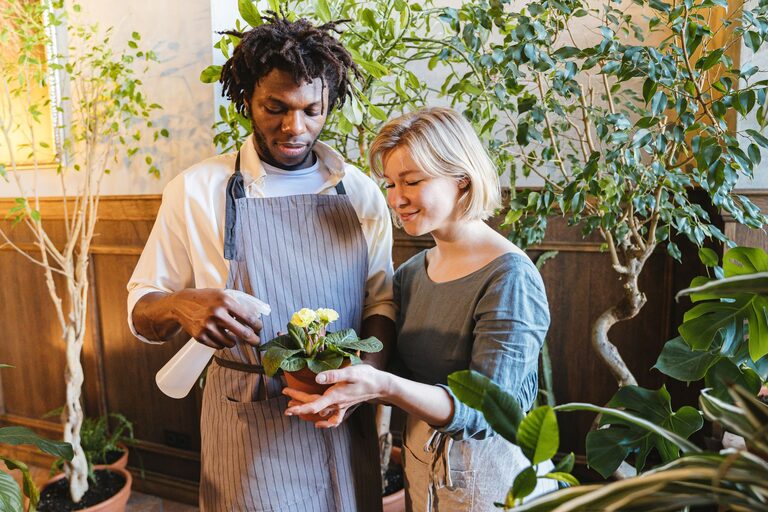
Bringing houseplants into your home can brighten up any space and add a touch of nature indoors. However, keeping these plants healthy requires more than just placing them on a windowsill. Understanding the basic needs of your houseplants will help them thrive and grow beautifully. Here are some essential tips to ensure your indoor greenery stays vibrant and healthy.
Understanding Your Plant’s Needs
Every houseplant species is unique, with different requirements for light, water, and soil. Before bringing a new plant home, spend some time researching its specific care guidelines. Common houseplants like pothos, snake plants, or spider plants often have different needs than tropical or flowering varieties.
Know Your Plant’s Light Requirements
Light is a major factor in plant health. Some plants thrive in bright, direct sunlight, while others prefer low or indirect light. For example:
– Succulents and cacti: Need plenty of bright, direct sunlight.
– Ferns and peace lilies: Prefer indirect or filtered light.
– Snake plants and pothos: Adapt well to low light conditions.
Try to place each plant where it gets the right amount of light according to its needs.
Choose the Right Soil
Using the proper soil type is crucial. Some plants require well-draining soil to prevent root rot, while others need soil that retains moisture. You can find soil mixes tailored for different plants at most garden centers, or create your own blends to suit your plants.
Watering Wisely
Overwatering is one of the most common causes of houseplant problems.
Tips for Proper Watering:
– Check the soil: Before watering, check if the top inch of soil is dry for most plants. Use your finger or a moisture meter.
– Water deeply but infrequently: When watering, soak the soil thoroughly, allowing excess water to drain. Avoid letting plants sit in standing water.
– Adjust for seasons: Plants generally need more water during their active growing season (spring and summer) and less during dormancy (fall and winter).
Watch for Signs of Overwatering or Underwatering:
– Overwatering: Yellowing leaves, soft stems, moldy soil.
– Underwatering: Wilting, dry or crispy leaves, slowed growth.
Maintain Proper Humidity and Temperature
Indoor environments can sometimes be too dry or too cold for certain houseplants.
– Humidity: Many tropical plants love humidity. Increase humidity by grouping plants together, using a humidifier, or placing a tray of water nearby.
– Temperature: Avoid placing plants near cold drafts, heating vents, or air conditioners. Most houseplants prefer temperatures between 65°F and 75°F.
Fertilize Appropriately
Plants need nutrients to grow, which may not be sufficiently available in potting soil alone.
– Use a balanced, water-soluble fertilizer during the growing season (spring and summer).
– Follow the instructions carefully to avoid over-fertilizing, which can damage roots.
– Reduce or stop fertilizing during the dormant season.
Regular Pruning and Cleaning
Keeping your plants clean and trimmed encourages healthy growth.
– Prune dead or yellowing leaves: This prevents disease and improves the plant’s appearance.
– Trim leggy growth: Encourages a bushier, fuller shape.
– Dust leaves: Gently wipe leaves with a damp cloth to remove dust that blocks sunlight.
Repotting When Necessary
As plants grow, they may outgrow their pots.
– Repot your plants every 1-2 years or when you see roots growing out of drainage holes.
– Choose a pot that is 1-2 inches larger in diameter than the current one.
– Refresh the soil during repotting to provide nutrients.
Preventing Pests and Diseases
Indoor plants can sometimes attract pests such as spider mites, aphids, or mealybugs.
– Inspect plants regularly for signs of pests or disease.
– Isolate new plants before introducing them to your collection.
– Use natural methods like neem oil or insecticidal soap to treat infestations.
– Keep your plants healthy, as strong plants are less susceptible to pests.
Final Thoughts
Caring for houseplants doesn’t have to be complicated. With attention to their light, water, and nutrient needs, along with regular maintenance, your indoor plants can flourish and bring lasting beauty to your home. Start by learning about each plant’s specific requirements and enjoy the rewarding process of watching your green friends grow. Happy gardening!