

Reducing food waste at home is a simple way to save money, conserve resources, and help protect the environment. Every year, millions of tons of food are thrown away worldwide, and a significant portion of that comes from households. Whether you live alone or with family, adopting smart habits in the kitchen can make a big difference. This post shares practical, easy-to-follow strategies to reduce food waste and build a more sustainable routine.
Why Reducing Food Waste Matters
Before exploring the tips, it’s important to understand why reducing food waste is beneficial:
– Environmental Impact: Wasted food contributes to greenhouse gas emissions and wastes the water, energy, and land used for food production.
– Economic Savings: When you waste less food, you spend less money replacing it.
– Resource Conservation: Saving food helps preserve natural resources and supports global food security.
With these benefits in mind, here are some proven ways to reduce food waste at home.
Plan Your Meals in Advance
One of the biggest reasons for food waste is buying more than you need or forgetting what you already have. Meal planning helps avoid this problem.
– Create a Weekly Menu: Decide what you’ll cook each day and make a shopping list based on the ingredients.
– Check Your Pantry and Fridge First: Use up what’s already on hand before buying more.
– Shop with a List: Stick to your list to avoid impulse purchases that may go unused.
Meal planning reduces impulse buys and helps you focus on meals you know you’ll prepare, cutting down on spoiled food.
Smart Grocery Shopping Tips
How you shop can have a big impact on food waste.
– Buy Loose Produce: This lets you pick exactly the amount you need rather than pre-packaged quantities.
– Choose Versatile Ingredients: Items like rice, pasta, and canned beans have long shelf lives and can be used in many recipes.
– Be Mindful of Expiration Dates: Understand the difference between “sell by,” “best before,” and “use by” dates to avoid tossing perfectly good food.
– Avoid Overbuying Perishables: Fresh fruits, vegetables, dairy, and bread should be purchased in quantities you can consume within their shelf life.
Store Food Properly
Proper storage extends the freshness of food and prevents spoilage.
– Use Airtight Containers: Keep leftovers and opened packages sealed tightly.
– Know Fridge Organization: Store raw meat on the bottom shelf to avoid contamination, and keep fruits and vegetables in separate drawers to optimize humidity.
– Freeze Surplus: Freeze bread, cooked meals, or meat if you won’t consume them soon.
– Label and Date Items: This helps you keep track of what needs to be used first.
Use Leftovers Creatively
Leftovers don’t have to be boring or wasted.
– Reinvent Leftovers: Turn roasted vegetables into soups, or stale bread into croutons.
– Batch Cooking: Make larger portions and repurpose them into new meals later in the week.
– Freeze Extra Portions: Freeze leftovers in individual servings for quick meals on busy days.
Practice Portion Control
Serving just the right amount reduces plate waste.
– Start Small: You can always go back for more food if you’re still hungry.
– Educate Family Members: Encourage everyone to take portions they can finish.
– Use Smaller Plates: Smaller plates naturally encourage smaller servings.
Compost Food Scraps
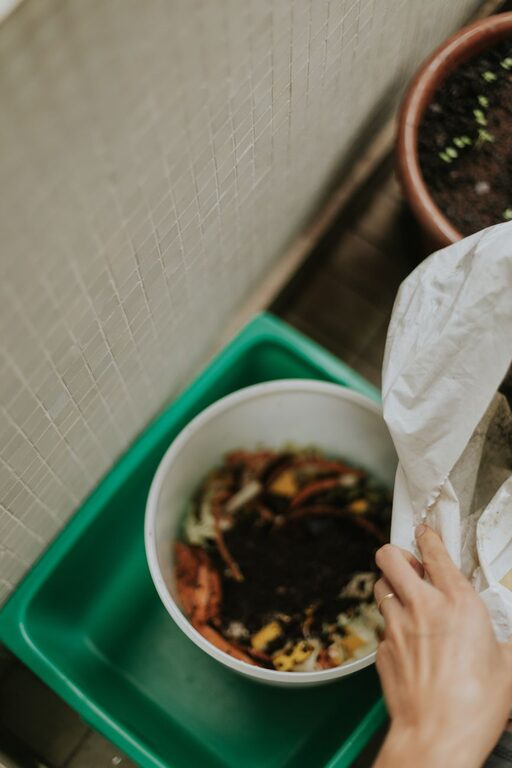
Not all food waste can be avoided, but you can reduce its environmental impact by composting.
– Start a Compost Bin: Use vegetable peels, coffee grounds, eggshells, and other compostable scraps.
– Use Compost in Your Garden: It enriches soil and reduces the need for chemical fertilizers.
– Learn What Not to Compost: Avoid putting meat, dairy, or oily foods in your compost bin to prevent pests.
Get Creative with Imperfect Produce
“Ugly” fruits and vegetables are often discarded because they look less appealing, but they are just as nutritious.
– Buy Imperfect Produce: Many markets and stores sell discounted fruits and veggies with minor blemishes.
– Use Them in Cooking: These can be chopped, pureed, or cooked into dishes like sauces, stews, and smoothies.
Regularly Check Your Inventory
Keep track of food in your kitchen to minimize waste.
– Rotate Stock: Use older items first.
– Keep a Visible List: Maintain a list of perishables on your fridge or pantry door.
– Set Reminders: Use your phone to alert you when food is nearing its best use date.
Educate and Involve the Whole Family
Reducing food waste is easier when everyone participates.
– Share Tips with Kids: Teach children why wasting food matters.
– Cook Together: Involve family members in meal prep and leftovers planning.
– Make it Fun: Turn reducing waste into a challenge or game.
—
By making small changes in meal planning, shopping, storage, and cooking, you can significantly reduce food waste at home. These habits not only save money but also contribute to a healthier planet. Start with one or two strategies and build from there — every effort counts!